Pigmentation Improvement: A Friendly Guide to More Even-Looking Skin
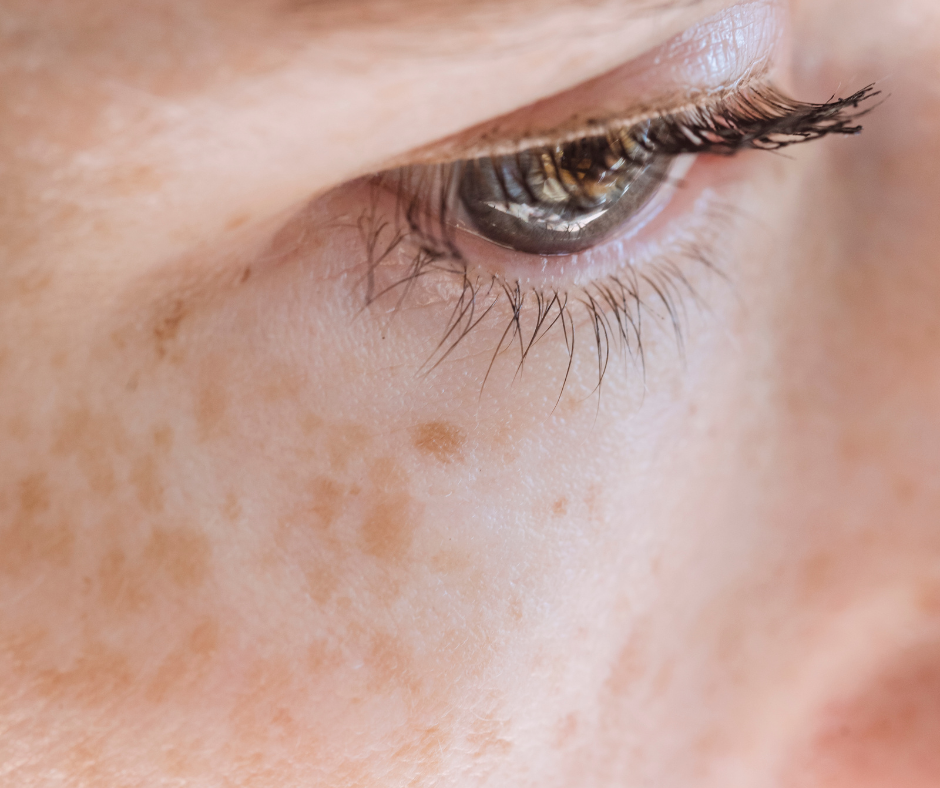
Pigmentation is a very common skin concern in the UK and can affect people of all ages and skin tones. It may show as dark patches, uneven skin tone or marks left after breakouts. While pigmentation cannot always be completely removed, its appearance can often be improved with the right skincare approach, realistic expectations and consistent sun protection.
This blog explains what pigmentation is, what contributes to it, and how you can support visible skin improvement safely and responsibly.
What Is Pigmentation?
Pigmentation refers to the colour of the skin, which is influenced by a natural pigment called melanin. When melanin is produced unevenly or in excess, darker areas can develop. This is commonly known as hyperpigmentation.
Pigmentation can appear gradually and may become more noticeable over time without appropriate skincare and sun protection.
What Can Contribute to Pigmentation?
Several internal and external factors can influence pigmentation, including:
- Sun exposure (UV rays are present in the UK all year round)
- Hormonal changes such as pregnancy or menopause
- Post-inflammatory marks from acne, eczema or skin irritation
- Natural ageing of the skin
- Skin trauma or excessive exfoliation
- Genetic predisposition
Identifying possible contributing factors can help guide a more suitable skincare routine.
Common Types of Pigmentation
- Sun Spots (Solar Lentigines)
- Flat brown spots caused by cumulative sun exposure, often appearing on the face, hands and décolletage.
- Melasma
- Larger, symmetrical patches commonly found on the cheeks, forehead or upper lip. Often associated with hormonal changes.
- Post-Inflammatory Hyperpigmentation (PIH)
- Dark marks left after spots, cuts or irritation. More common in deeper skin tones.
- Freckles
- Genetic pigmentation that may darken with sun exposure.
Supporting Pigmentation Improvement
- Daily Sun Protection
- Consistent use of a broad-spectrum SPF 30–50 is essential. Sun exposure can deepen existing pigmentation and limit visible improvement, even on cloudy days.
Skincare Ingredients That Support Even Skin Tone
When used correctly and consistently, certain ingredients may help support the appearance of a more even skin tone:
- Vitamin C – supports brightness and antioxidant protection
- Niacinamide – helps improve uneven tone and skin barrier function
- Azelaic Acid – commonly used for blemish-related pigmentation
- Kojic Acid – known for supporting the appearance of dark areas
- Retinoids – support skin renewal (introduced gradually and with care)
Results vary from person to person and develop gradually over time.
Professional Skin Services in the UK
Some people choose professional skin services to support pigmentation improvement, such as:
- Superficial chemical peels
- Microneedling
- Light-based skin services (following a professional skin assessment)
- Microdermabrasion
These services are designed to support skin improvement rather than provide guaranteed results. Individual outcomes depend on skin type, pigmentation depth and aftercare.
Pigmentation and Different Skin Tones
Pigmentation can behave differently depending on skin tone:
- Deeper skin tones may be more prone to post-inflammatory pigmentation and benefit from gentle, barrier-focused routines
- Lighter skin tones may experience sun-related pigmentation more easily
This is why personalised advice is recommended when addressing pigmentation concerns.
Helpful Tips for Ongoing Skin Improvement
- Apply SPF daily and reapply when spending time outdoors
- Avoid picking, scratching or over-exfoliating the skin
- Introduce active ingredients gradually
- Support the skin barrier with hydration
- Allow time—visible improvement is gradual, not instant
Important Disclaimer
This information is provided for educational purposes only and is not intended to diagnose, treat or cure any skin condition. Individual results vary, and what works for one person may not work for another. Always seek personalised advice from a qualified skincare professional before starting new skincare products or services.
Final Thoughts
Pigmentation is a natural and common skin concern. While it cannot always be completely eliminated, its appearance can often be improved with consistent skincare, sun protection and professional guidance where appropriate.